UX research integrated retroactively: Patient transport management in emergency services

User Research & Testing

A practical example of how user involvement and testing can have an impact even late in the process.

Context & Domain

Master’s Thesis in the Homeland Security Sector

Role

UX / UI Designer

Timeframe

October 2023 – March 2024

Methods used

  • Heuristic Evaluation
  • Persona
  • Contextual Inquiry
  • Prototyping
  • Focus Groups
  • User Testing
  • User Flow

Tools used

  • Figma
  • FigJam
  • Jira

Team Constellation

  • 1 UX/UI designer
  • 2 Business Analysts

An extension for a command and control system for fire and rescue services was developed for patient transport management. Initial concepts and developments had already begun, driven primarily by technical considerations and without the involvement of end users. Decisions were mainly based on service descriptions, compounded by high professional complexity.

Challenges

  • Lack of user involvement in the early design phase
  • Low UX maturity within the project team
  • Complex development standards & lack of component library
    Integration into an existing, partially inconsistent system
  • High time pressure

Goal

  • Integrate UCD principles retroactively without restarting the project
  • Identify usability issues and address them specifically
  • Make user needs visible and incorporate them into the development process
  • Increase the acceptance and efficiency of the tool in the long term
  • Bridge the gap between stakeholders and users to balance different perspectives

Approach: User-Centered Design Process

Heuristic Evaluation

Inconsistencies and Visual Overload

During a heuristic evaluation conducted by three UX experts, 97 issues were identified based on established usability principles.

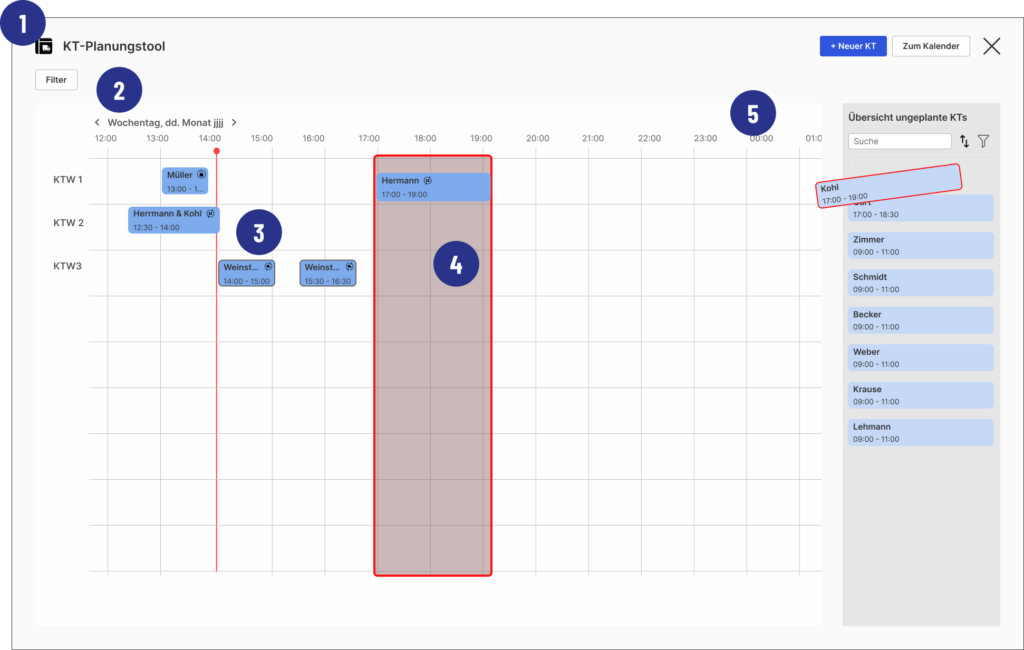
Heuristic Evaluation - Before State Analysis

1 - Cognitive load

Frequent use of domain-specific abbreviations (e.g., “KTW,” “KT”) without context makes the system difficult to use.

2 - Visual hierarchy

The filter button is positioned in isolation and is not aligned with other actions.

3 - Critical Contrast

Low contrast between blue backgrounds and black text impairs readability.

4 - Flawed semantics

The red border around time slots is incorrectly interpreted as an error condition.

5 - Inconsistent Layout

Spacing and positioning of functional elements vary significantly.

and Further more ...

Focus Groups

User Needs Behind the Requirements

In focus groups, the real user needs behind the requirements were captured. Although there was a strong adherence to the specifications, forms could be simplified, planning elements clarified, and misunderstandings identified early. These optimizations were prioritized together with the business analysts.

Contextual Inquiry

Keeping an Eye on Daily Work

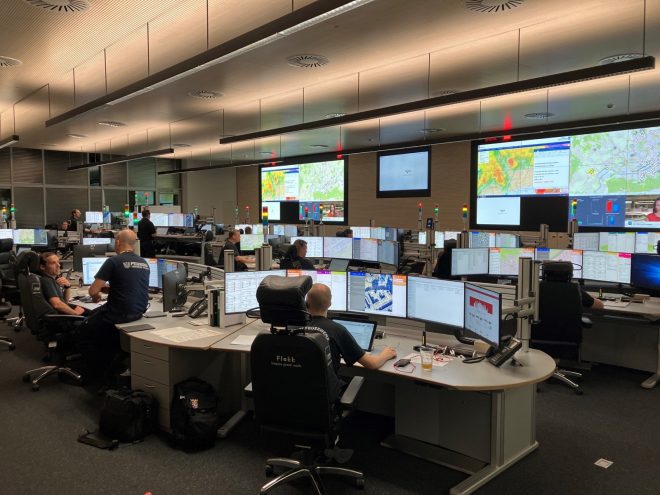
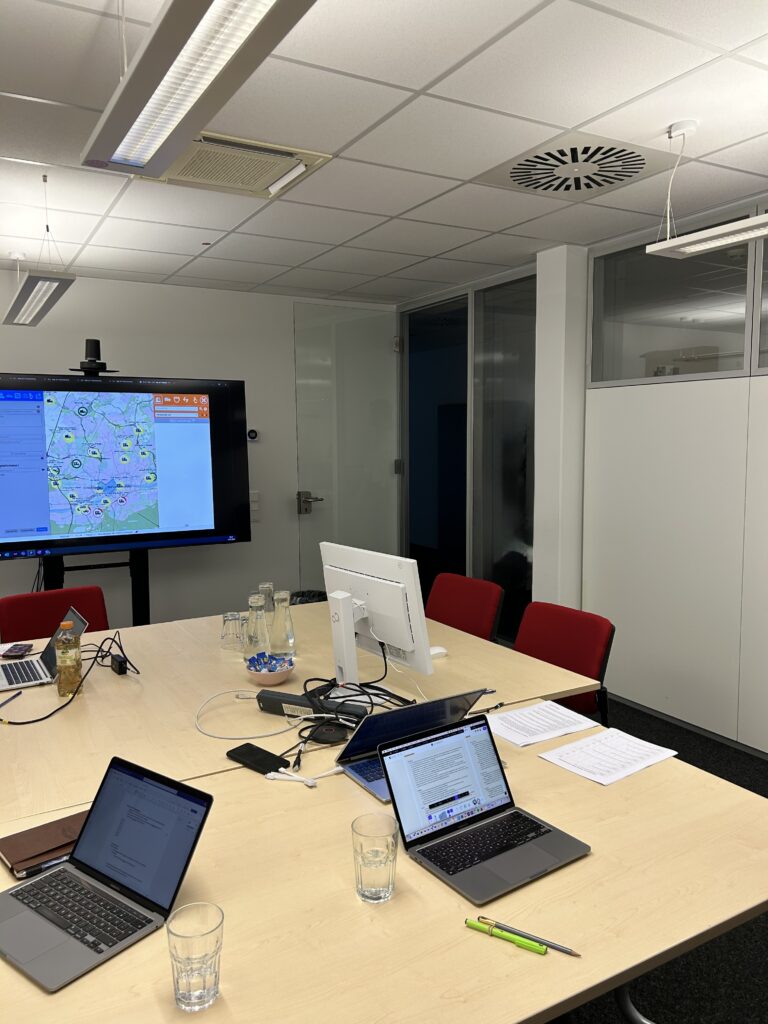
The daily work of users was closely observed. This proximity made it clear how much parallel work and analog tools shape the process.

Command and Controll Room

Specifying Requirements

Persona Development & Task Analysis

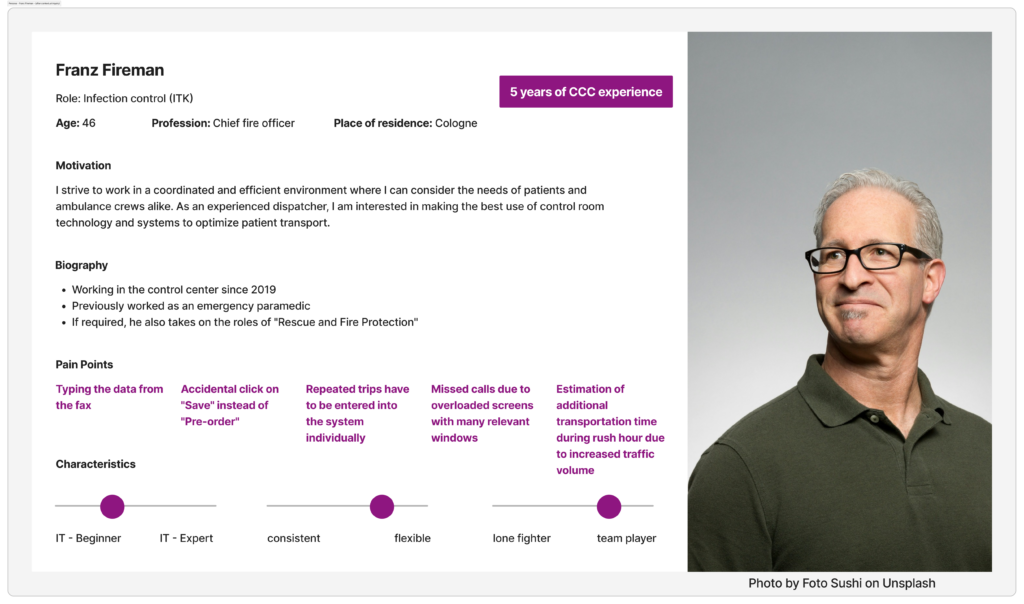
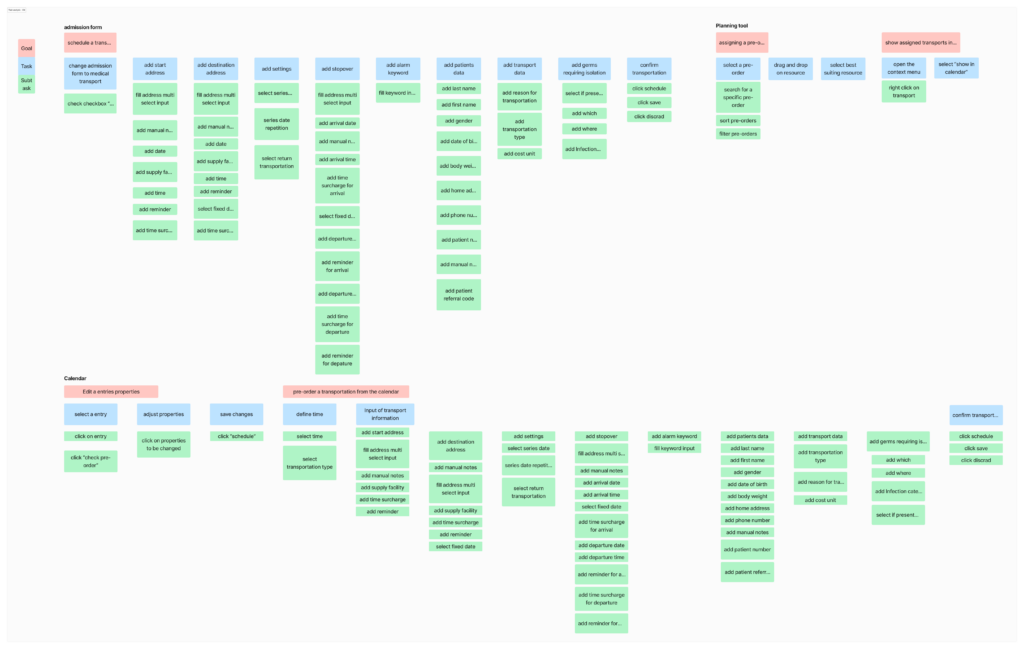
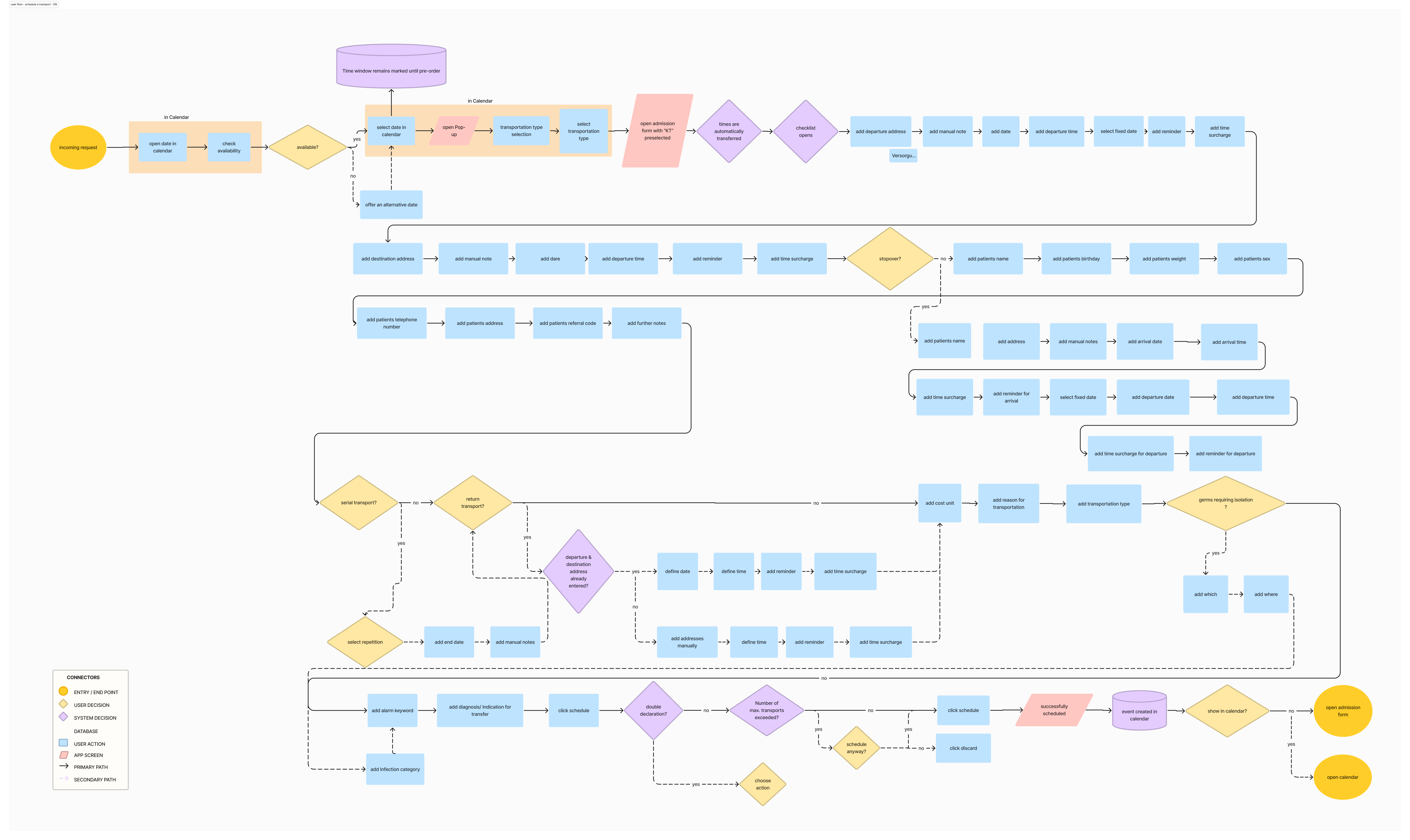
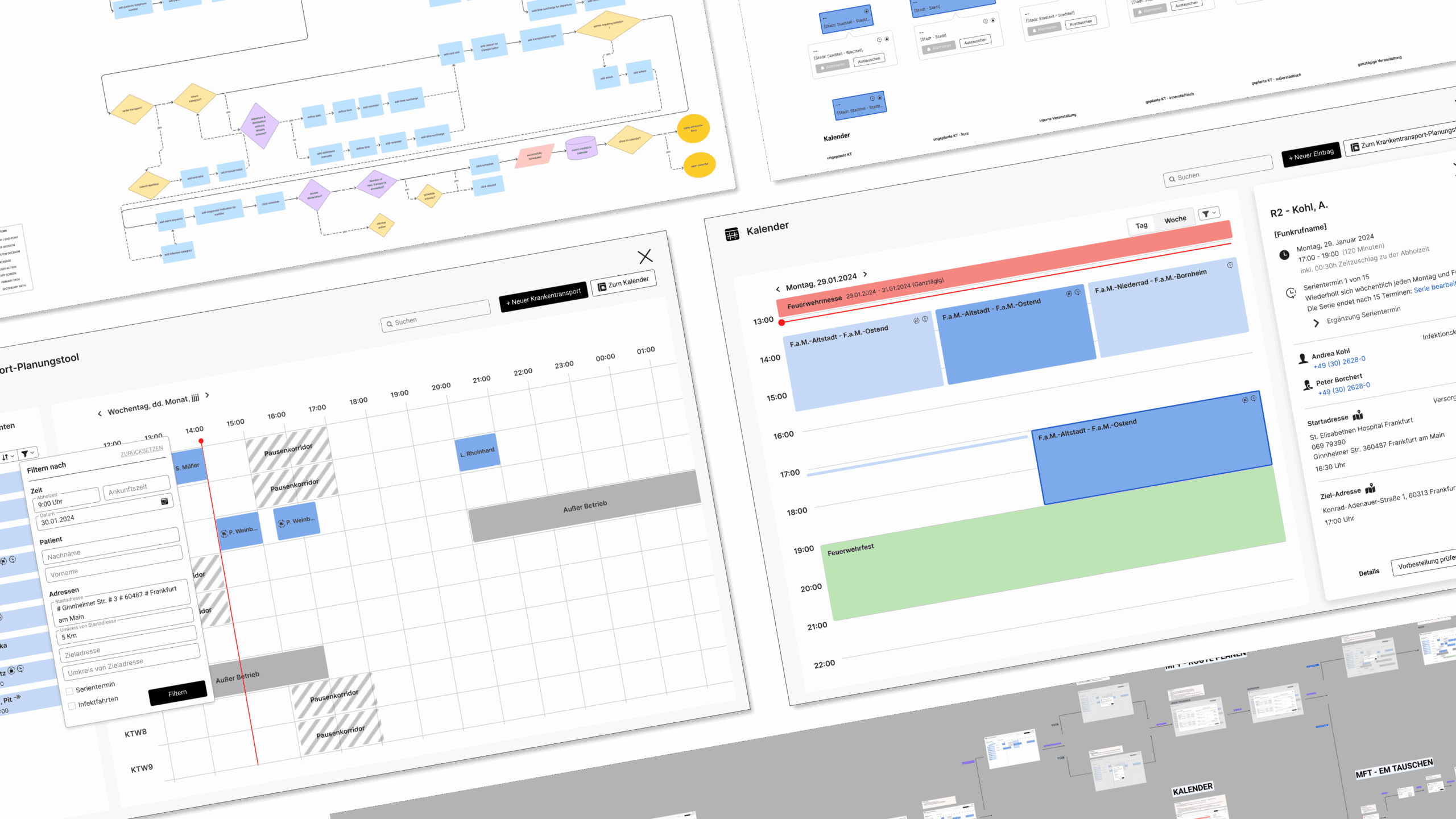
Based on the results of the contextual inquiry, a persona for the main user was developed. Additionally, the observed complex workflows – such as creating transports, assigning resources, and using the calendar – were visualized and structured in a detailed task analysis (user flow).

UI Design & Prototyping

Reimagining Existing Concepts

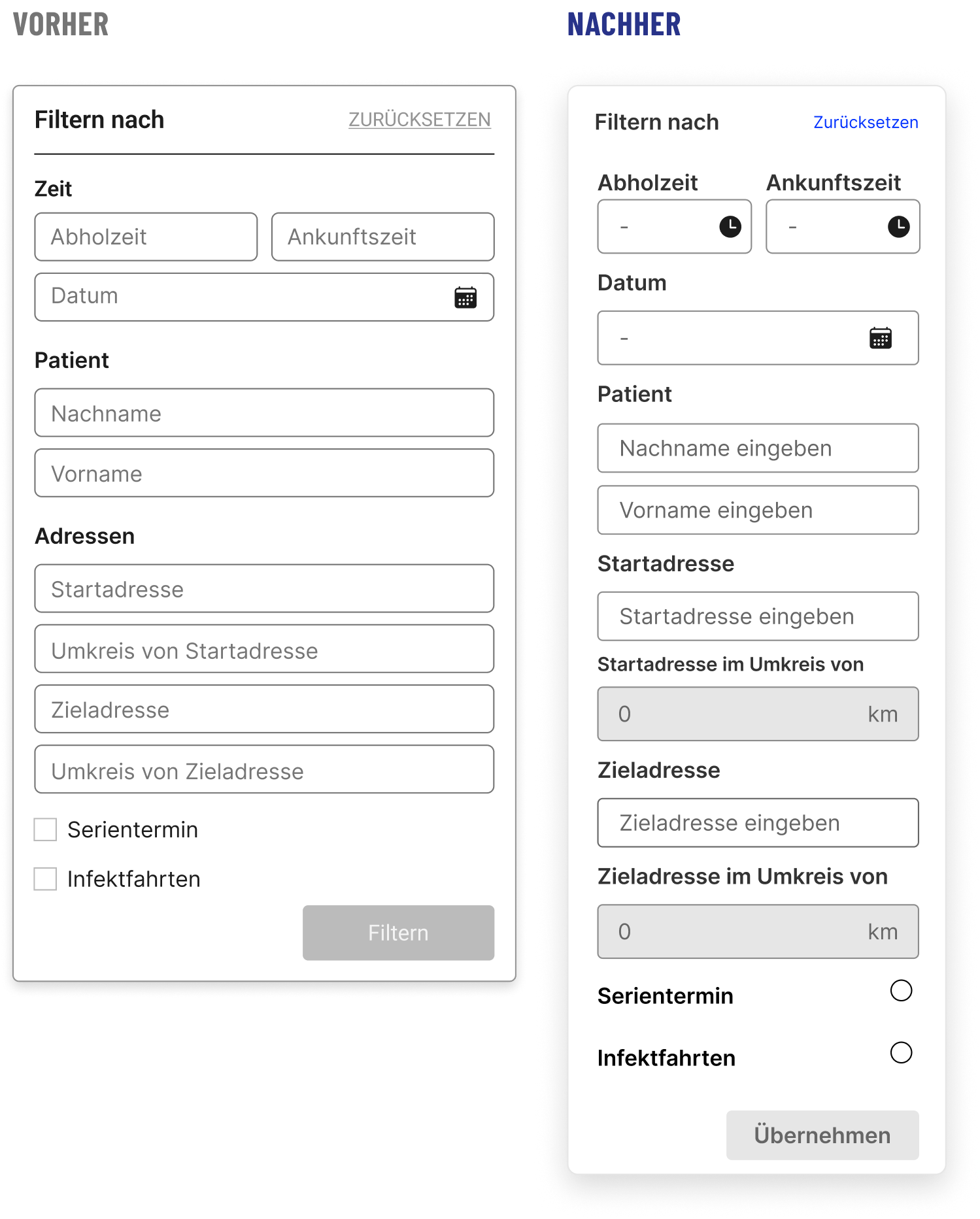
Excerpt from the UI Design

Based on the research results, the existing concepts were fundamentally revised to enable intuitive and efficient use. The focus was on:

  • Optimizing the information architecture and workflows for complex tasks.
  • Visual consolidation by aligning with the overarching design system (accent colors, button hierarchies).
  • Improving system feedback through clear feedback dialogues and error visualizations.
  • Reducing cognitive load through redesigned layouts and better information density.

User Testing

High Usability, Clear Areas for Improvement

The study design combined several components: pre-interview to clarify roles, completion of eight realistic tasks in the Figma prototype, quantitative measurements (success rate, time-on-task), System Usability Scale (SUS), and post-interview for qualitative feedback. Participants provided very detailed feedback, making planned measurements like “time on task” difficult to compare. The goal of testing practical usability was achieved: the concept scored 92 points on the SUS and a 100% success rate on the tested tasks. At the same time, specific areas for improvement became visible.
Results

  • UCD successfully integrated retrospectively: Despite a completed specification document and an ongoing project, UCD methods uncovered critical misunderstandings and successfully guided the redesign direction.
  • Contextual Inquiry as a key method: On-site observation of emergency service-specific workflows revealed deep insights into user context – fundamental for all further design decisions.
  • Shared understanding among stakeholders: Different perspectives from users and project managers were articulated and brought together through dialogue and iterations.
  • Stronger user-centred focus in the project: User needs were made visible and used as the basis for design decisions.